Is Period Swimwear Safe for Swimming During Your Period?
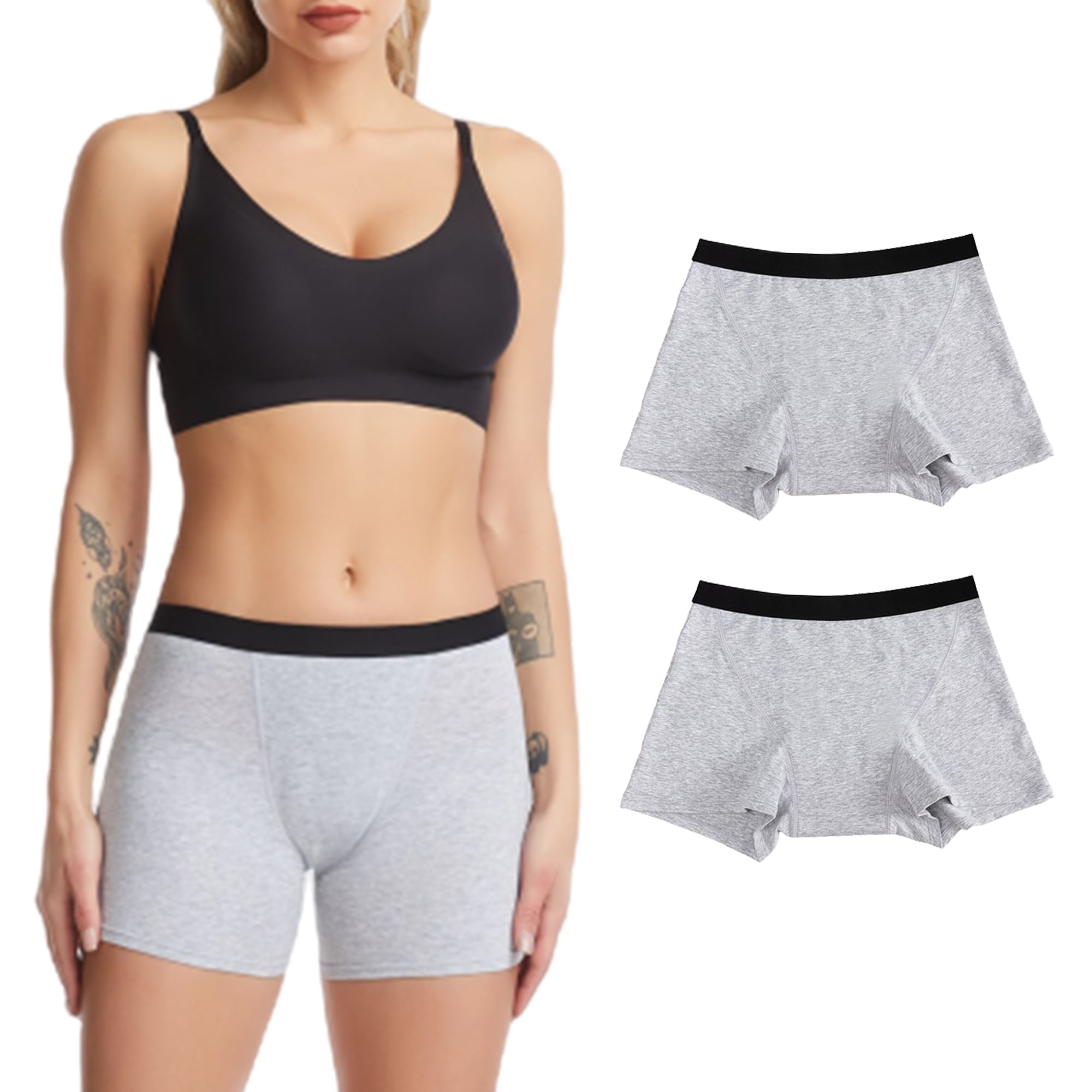
Yes. Period swimwear is generally safe for swimming during menstruation when it fits correctly, is washed after use, and is worn within its stated absorbency range. ACOG reports average menstrual blood loss at about 30 mL per cycle, while blood loss above 80 mL has historically been associated with heavy menstruation. Swim-specific designs use a fast-drying inner layer, an absorbent middle section, and a water-resistant outer layer instead of simply absorbing pool water. The main practical limits are flow volume, fit, fabric quality, and time spent in a wet garment. Heavy-flow users may need a tampon or menstrual cup as additional protection.
Period swimwear works differently from ordinary underwear because the absorbent area has to manage menstrual fluid while being surrounded by water. Regular period panties are designed mainly for dry daily wear, while swim versions usually reduce external water uptake through hydrophobic fabrics, tightly knitted synthetic fibers, and a leak-resistant gusset. Nylon, polyester, and elastane are common because they dry faster than cotton and keep their shape after repeated exposure to water.
The absorbent section is usually only a few millimeters thick, so capacity is limited by design. That matters because a normal menstrual period may last up to 7 days, and ACOG describes normal cycle volume as up to about 80 mL. Someone losing 30 mL over an entire cycle may have very different swimwear needs from someone soaking a pad or tampon every 1–2 hours.
Water does not switch menstruation off. Pressure around the vaginal opening can temporarily reduce visible flow while the body is submerged, but uterine shedding continues, and fluid may become more noticeable after leaving the pool.
That difference explains why fit matters nearly as much as absorbency. A swim bottom that gaps around the legs can allow fluid to escape before the gusset absorbs it, while one that is too tight may increase rubbing around the groin. A secure fit should stay close to the body during kicking, diving, climbing pool ladders, and sitting without creating persistent pressure marks.
Absorbency claims also need context. Some brands describe capacity using equivalents such as “two tampons” or “three tampons,” but tampon sizes are not standardized into one universal volume that consumers can safely convert into milliliters. A better approach is to use the manufacturer’s light, moderate, or heavy-flow guidance and test the garment during a shorter swim before relying on it for several hours.
For people with light flow or spotting, swimwear alone may be enough. During the first 2–3 heavier days of a typical period, additional protection may be more reliable, especially when menstrual products usually need frequent changes. ACOG notes that bleeding requiring a pad or tampon change every hour for several consecutive hours is a sign of heavy menstrual bleeding rather than an ordinary high-flow day.
| Situation | Practical approach |
|---|---|
| Light flow or spotting | Period swimwear may work alone |
| Moderate flow | Check absorbency rating and carry a spare |
| Heavy flow | Consider swimwear plus a tampon or cup |
| Several hours at a pool or beach | Bring a dry replacement |
| Sensitive skin | Check fibers, finishes, and seams before extended wear |
Internal products change the amount of menstrual fluid reaching the swimsuit. A tampon absorbs blood inside the vagina, while a menstrual cup collects it before it leaves the body. NHS guidance recognizes tampons, menstrual cups, period underwear, and related reusable menstrual products as suitable options, and NHS community guidance specifically notes that reusable period swimwear allows swimming without inserting a product.
A cup can be useful during longer swimming sessions because some guidance allows menstrual cups to remain in place for up to 8–12 hours depending on flow and product instructions. That does not make every cup suitable for 12 hours in every situation; emptying frequency still depends on menstrual volume, fit, and manufacturer directions. Period swimwear can then act as secondary protection rather than carrying the full amount of flow.
Tampons require different timing. UK clinical guidance for people with bleeding conditions advises changing tampons at least every 8 hours, or sooner when flow is heavy, because prolonged use is associated with toxic shock syndrome, a rare but serious illness. Swimmers using a tampon underneath period swimwear should follow the tampon instructions rather than assuming the swimsuit extends safe wear time.
The swimsuit itself does not create toxic shock syndrome because it is worn externally. The more relevant skin issue is prolonged dampness, friction, detergent residue, or sensitivity to textile finishes. Leaving any wet swimsuit against the vulva for hours can cause discomfort in some people, particularly when salt, chlorine, sand, sweat, and repeated movement are present at the same time.
Persistent itching should not automatically be labeled a “yeast infection,” either. CDC guidance notes that vulvovaginal candidiasis is diagnosed from symptoms plus clinical testing, and around 10%–20% of women may naturally carry Candida or other yeasts without symptoms. Treating every episode of irritation after swimming as infection can therefore lead to unnecessary self-treatment.
Burning, swelling, unusual discharge, persistent odor, pain during urination, or symptoms that continue after changing out of wet clothing deserve proper assessment rather than repeated guessing based on swimsuit use.
Fabric chemistry deserves separate attention because menstrual swimwear combines several textile functions in a small area. Products may contain polyester or nylon shells, elastane for stretch, polyurethane membranes, absorbent fibers, antimicrobial finishes, odor-control treatments, or water-repellent coatings. A complete material disclosure is more useful than vague labels such as “clean” or “natural.”
Consumers concerned about PFAS should look for a manufacturer that publishes current testing or a specific fluorinated-chemicals policy. Water resistance alone does not prove that a swimsuit contains PFAS, because modern textile construction can achieve water management through fiber structure, membranes, and other treatments. Likewise, a “PFAS-free” marketing statement is more informative when the company explains what was tested, which chemicals were screened, and when testing was performed.
Care affects performance after purchase. Blood proteins are easier to remove with cool or cold water than with high heat, while fabric softeners can coat absorbent fibers and reduce liquid uptake in some textile systems. Rinsing soon after use also removes chlorine or salt before the garment dries, which can help protect elastic fibers during repeated swimming.
A practical routine is short:
-
Rinse the gusset in cool water soon after swimming.
-
Wash according to the garment label, usually with mild detergent.
-
Skip bleach or fabric softener unless the manufacturer specifically allows it.
-
Air-dry when high heat is restricted.
-
Store only after the garment is fully dry.
-
Carry used swimwear in a wet bag temporarily rather than sealing it there for many hours.
Repeated laundering is part of the product’s intended use, so construction quality matters. A swimsuit may look fine externally while the internal laminate, absorbent layer, or seam bonding has degraded. If leakage becomes more frequent after dozens of wash cycles despite unchanged menstrual flow and fit, loss of textile performance is a reasonable possibility, and replacing the garment may be more practical than increasing wear time.
Pool hygiene is another area where menstruation is often misunderstood. Menstrual blood does not make a person medically unfit to enter a properly maintained pool, and NHS health information states that swimming during a period is possible with an appropriate product. Pools already manage continuous biological input from swimmers, including sweat, skin material, saliva, and small amounts of bodily fluid.
The same logic applies to the ocean, though the environment changes garment care. Salt water can remain in fibers after evaporation, while chlorinated pool water can affect stretch fabrics over repeated exposure. Rinsing with fresh water after either setting reduces residue, and changing into dry clothing after the final swim can reduce prolonged friction around the vulvar area.
Teenagers can also use period swimwear. ACOG reports that teenage menstrual cycles commonly fall between 21 and 45 days, with periods usually lasting 2–7 days and the heaviest flow often occurring during the first 3 days. For someone who has recently started menstruating and does not want to use an internal product, swimwear can provide an external option for lessons, team practice, vacations, and school activities.
Heavy bleeding should not be treated as a clothing problem, however. ACOG advises medical evaluation when bleeding lasts longer than 7 days, when a pad or tampon must be changed more often than every 1–2 hours, or when symptoms such as dizziness or faintness occur. About one-third of women seek treatment for heavy menstrual bleeding at some point, so unusually high flow is common enough to deserve proper medical attention rather than simply purchasing a more absorbent swimsuit.
For everyday use, the safest choice is a swimsuit with a close fit, clear absorbency guidance, transparent fiber information, washing instructions, and enough coverage for the activity planned. Someone swimming for 45 minutes on a light-flow day has very different needs from someone spending 6 hours between a pool, water slides, changing rooms, and dry land during a heavy-flow day.
A spare swimsuit is useful on longer outings because absorbent textiles have finite capacity and cannot be checked as easily as a menstrual cup. Changing also provides a simple response when the garment feels saturated, begins leaking, stays uncomfortable after leaving the water, or has been worn wet for an extended period.
Period swimwear can therefore be used safely without treating it as unlimited menstrual protection. Match the garment to actual flow, follow its care instructions, use internal protection when heavier bleeding makes that appropriate, and seek medical care when bleeding exceeds normal ranges rather than expecting clothing to manage a health problem.